by Michael D. Anestis, M.S.
As we approach the end of 2009, I thought it would be worthwhile to post some summary articles that take some of the topics we have discussed over the past year and combine them into a more digestible format. Along those lines, today's article will center on a number of different forms of psychotherapy that are fairly popular and yet have either a complete lack of evidence regarding their effectiveness or - worse yet - evidence that they, in fact, either do not work or actually cause harm.
Remember, our primary goal at PBB is to take scientific research and make it readily available to as wide an audience as possible, including both professionals and folks outside the field either curious about the topic or in need of help. In doing this, our emphasis is on discussing the many forms of psychotherapy (and pharmacotherapy) that have been shown repeatedly through scientific studies to actually be helpful for various mental illnesses. The fact is, over the past several decades, we have developed a large number of therapeutic interventions that, without question, are effective in treating a wide variety of mental illnesses. Despite this development, many therapists persist in using forms of therapy that lack such support - a practice we believe to be completely unethical. In addition, we do such a poor job of marketing our effective therapies that most of the people who are in need know very little about them.
The first article I would recommend consulting on this topic was posted on PBB back in April. This article, which discusses Scott Lilienfeld's (2007) paper on treatments that cause harm (click here), provides a quick discussion about several forms of treatment that not only fail to accomplish their goals, but actually tend to make things worse.
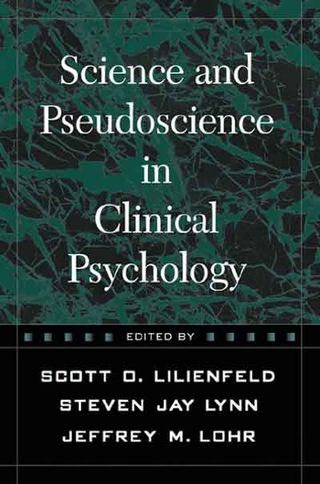
After reading that, I would recommend turning your attention to article we have written on the following types of therapy, none of which have any data backing up their effectiveness and some of which actually have been shown not to work:
- Dolphin Assisted Therapy
- Equine Assisted Psychotherapy
- Wilderness Therapy (a guest article by Dr.Kim Van Orden)
- Thought Field Therapy
Several of these articles prompted extensive conversations in the comment section and they remain open for additional comments should you have thoughts and/or questions you wish to share. Importantly, remember that when a therapy lacks any evidence, that does not mean that it does not work; however, it does mean that there is not evidence supporting its ethical implementation for the treatment of mental illnesses, particularly when empirically supported treatments already exist for the disorder(s) in question.
If you would like to learn more about this or other topics discussed on PBB, we hope you will consult our online store for scientifically-based psychological resources.
Mike Anestis is a doctoral candidate in the clinical psychology department at Florida State University.

 Subscribe in a reader