A quick update for PBB readers. The site will be on a brief but indefinite hiatus in the coming days as Joye and I attend to some very exciting personal business. We very much look forward to returning to our daily updates.
- Mike Anestis
« January 2010 | Main | March 2010 »
A quick update for PBB readers. The site will be on a brief but indefinite hiatus in the coming days as Joye and I attend to some very exciting personal business. We very much look forward to returning to our daily updates.
- Mike Anestis
| | | |
 | | |
| | |
by Joye C. Anestis
The latest podcast from behaviortherapist.com discusses obsessive-compulsive disorder (OCD). Dr. Jonathan Abramowitz, a preeminent researcher in the OCD field, discusses multiple topics related to OCD, including:
http://behaviortherapist.podbean.com/2010/02/17/obsessive-compulsive-disorder/
For more information on OCD, check out our online bookstore.
Joye Anestis is a doctoral candidate in clinical psychology at Florida State University.
| | | |
| | |
| | | |
| | |
by Joye C. Anestis
When I teach undergraduates about mental illness, we always discuss the line between "normal" and "abnormal" behavior or reactions. One particular piece of diagnostic information always gets the topic really going. I show them the diagnostic criterion for Major Depression and point out this criterion: "the symptoms are not better counted for by Bereavement, i.e., after the loss of a loved one, the symptoms persist for longer than 2 months or are characterized by marked functional impairment, morbid preoccupation with worthlessness, suicidal ideation, psychotic symptoms, or psychomotor retardation" (APA, 2000). Inevitably, the students zoom in on the 2 month criterion, with questions like "What is the reasoning behind limiting grief reactions to 2 months?", "How can they put a time limit on grief?" Many are outraged at the supposed implication that it is abnormal for grief to persist after 2 months. This puts us into a discussion of "normal versus "abnormal" grief (where I clearly explain that the DSM is referring to a small group of people who have severe and persistent grief reactions)...and then into the general idea of delineating between normal and abnormal. I find it a really effective way to get them to think about all the nuances that go into a classification system like the DSM and the care that is taken when trying to make a diagnosis and help someone who is suffering.
Interestingly (and unfortunately for my future lectures), one of the proposed changes to DSM-5 is the removal of the bereavement criterion from the Major Depressive Episode symptom list. The rationale cited by the Task Force states: "the exclusion of symptoms judged better accounted for by Bereavement is removed because evidence does not support separation of loss of loved one from other stressors" (see it for yourself here). They cite a 2007 study by Zisook & Kendler as support for their rationale. I thought I'd check out the validity of this argument for myself. Zisook & Kendler conducted an exhaustive literature review and asked the question: "Is bereavement-related depression different than non-bereavement-related depression?" Unfortunately, the quality of the studies and the type of results reported by the studies prevented the authors from conducting a meta-analysis. And, unfortunately, no studies exist that specifically examine whether bereavement-related depression and standard (i.e., non-bereavement-related) depression are forms of the same disorder. The ideal study would compare individuals whose depression began within 2 months of the loss of a loved one who do not have any of the symptoms listed by the DSM-IV as uncharacteristic of normal grief (e.g., suicidality) with depressed individuals whose episodes are of similar duration and symptom profile but with an onset unrelated to the death of a loved one.

Keeping this in mind, the literature review revealed, overall, generous support for the hypothesis that bereavement-related depression is similar to standard depression. The authors note multiple points on which the 2 syndromes are similar. Both are occur at greater rates in individuals who are young, have personal or family history of depression, have poor social support, and have poor health. Clinical characteristics shared between the syndromes include: impaired functioning, comorbidity with anxiety disorders, feelings of worthlessness, psychomotor changes, and increased suicidality (interestingly, the last 3 are symptoms that the DSM-IV specifically notes are unlikely to occur in "normal" bereavement). The 2 syndromes also share several biological characteristics: increased adrenocortical activity, impaired immune function, and disrupted sleep architecture. Finally, the authors note that both are "common, long lasting, and recurrent" and both respond to antidepressant meds. The conclusion that they draw from this is that, considering what we know (and acknowledging that our knowledge is incomplete), the bereavement criterion seems unnecessary.
In my opinion, many of the DSM-5 proposed changes trend towards being overinclusive (i.e., false positives) rather than risk missing individuals. There seems to be a philosophy that erring on the side of caution is the preferred course of action (consider hypersexual disorder). This may be one of those situations. Clearly there are individuals whose initial grief reactions are severe enough to warrant diagnosis and treatment, but adequate research has not been done to allow us to clearly demarcate between the groups. Zisook and Kendler (2007) do raise the interesting and (in my opinion) valid point that loss of a loved one is the only negative life event singled out in DSM-IV for diagnosticians to consider when excluding individuals. There is ample literature that negative life events commonly precede major depressive episodes, but we do not exclude individuals from receiving a depression diagnosis if the current episode is within 2 months of a divorce or job loss. Considering this, I'm inclined to agree with Zisook & Kendler, as well as the Mood Disorders Task Force, that perhaps a specific bereavement criteria is unwarranted.Before I sign off, I do want to clarify the vast majority of bereaved people do not exhibit symptoms characteristics of major depression and do not exhibit long-term problems (Bonanno, 2004). In fact, there is evidence of a great deal of resilience in most people, even in the months directly following a loss (Bonanno et al., 2005; Bonanno et al., 2002; Bonanno et al., 2004). But a small subset of people (about 10-15%; Bonanno & Kaltman, 1999, 2001) do exhibit severe grief reactions...these are the folks who are the subject of debate. Is a 2-month waiting period appropriate, or should diagnosis and intervention be made available as early as possible?
Joye Anestis is a doctoral candidate in clinical psychology at Florida State University.
| | | |
| | |

by Michael D. Anestis, M.S.
Self-help books represent a huge industry, generating millions of dollars in revenue each year. If you go to the psychology section of your local bookstore, you will almost certainly be greeted by a wall of them, each of which proclaiming itself to be the answer to whatever is causing you or your loved ones distress. Some of these books are wonderful and have been shown through research to offer great benefits to readers, but the vast majority of them have not been subject to any form of systematic investigation. Even those that attempt to package components of empirically supported treatments are big question marks, as nobody has tested whether those components, packaged in that particular way, are effective when somebody reads about them on their own rather than meeting with a professional. Certainly they offer testimonials and well credentialed authors and they might very well work extremely well, but without data, we simply do not know if that is the case.
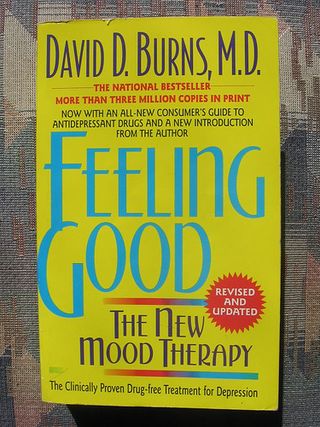
My point here is not to dismiss self-help books as a potentially valuable resource. Again, some of them (e.g., The Feeling Good Handbook ) are known to be of great benefit. Additionally, if self-help books can be successfully implemented, they offer great potential opportunities for individuals suffering from mental illness (e.g., cheaper care, easier widespread dissemination). The issue here is simply that, given the dangers of mental illness and the existence of evidence-based treatments for many of them, there is serious risk in marketing a book as a treatment when we have no evidence to back up that claim.
All of this being said, today I would like to discuss a study by Gerald Haeffel of the University of Notre Dame that was just published in the most recent issue of Behaviour Research and Therapy (2010). Haeffel wanted to examine the degree to which rumination (click here for a description of rumination) and stress impact the degree to which individuals respond to different forms of self-help for depression. To do this, he recruited 271 college freshman and administered a questionnaire that screens for cognitive vulnerabilities to depression. Individuals who scored in the top 40% on this measure were invited to take part in the study and ultimately 72 agreed to participate.
Each participant was randomized into one of three conditions:
All treatment workbooks were created specifically for this study, were approximately 80 pages in length, and included four chapters. Each chapter included seven 15-20 minute daily activities. In the traditional treatment condition, the workbook trained participants to identify negative thoughts, examine the evidence for and against their accuracy, and to develop alternative thoughts that more accurately reflect their situation. In the nontraditional treatment condition, everything was the same except that participants were not taught to identify and challenge negative thoughts. Instead, they were simply taught to generate adaptive thoughts. In the academic skills condition, participants were taught skills such as time management, goal-setting, and memory aids. Every participant filled out measures of depression, stress, and rumination before treatment began, at the end of treatment, and four months after the end of treatment.
Importantly, none of the participants in this study were diagnosed with depression. The average depression scores (as measured by the Beck Depression Inventory-2) at baseline were 9.55 in the traditional treatment, 9.72 in the nontraditional treatment, and 8.1 in the academic skills condition, for a total average of 9.12. To put that in context, BDI-II scores of 10-18 are considered mild and scores below that are considered normal. In other words, on average, participants were not even mildly depressed. A highly depressed individual can score as highly as 63 on this scale.
Okay, back to the study: Haeffel (2010) believed that both cognitive treatment conditions would outperform the academic skills condition and that individuals high in rumination who experienced a lot of stress would experience less improvement in the traditional treatment than the nontraditional treatment. The results were fairly mixed. Surprisingly neither treatment condition outperformed the academic skills group in terms of symptom reduction (and individuals in the traditional treatment condition actually fared worse than those in the academic skills condition). As expected, individuals high in rumination who experienced high levels of stress experienced less symptom reduction than did individuals in the nontraditional treatment both immediately post-treatment and four months later; however, individuals high in stress did not perform better in either treatment condition than they did in the academic skills condition, which raises serious questions regarding whether either treatment actually bestowed any real benefit.
Haeffel (2010) noted that individuals who ruminate might not thrive in a self-help format that requires identification and challenging of negative thoughts, presumably because they may end up simply ruminating about those thoughts rather than challenging them in the absence of training from a therapist. This, of course, is entirely possible, but there are a number of obstacles that prevent us from being able to accept that notion as fact. First of all, there was no measure of skill in implementing that particular component of treatment so, while this is the only aspect of treatment that differed between the traditional and nontraditional approaches, we still actually do not have any evidence that these folks were failing to do what the workbook told them to do. Secondly, given that the symptoms of depression were so low in the entire sample and neither treatment group outperformed an academic skills training group, there is legitimate reason to wonder whether we can examine the utility of a treatment for depression in this sample. In other words, nondepressed college freshmen might be more in need of academic skills training than in depression treatment, particularly given that participants were told at the onset of the study that the goal was to "help freshmen adjust to college life." These folks were not depressed, were not looking for depression treatment, and were told that they were receiving an intervention with an entirely different goal. When individuals buy self-help books for depression, they do so because they are looking for help with depression (and, presumably, because they are at least mildly depressed), so the structure of this study really handicapped what we could learn about the utility of the interventions. Given that the participants were not depressed, they may very well have simply not even done the work involved in either treatment condition (no information was available regarding that point), meaning that the lack of motivation for treatment could hinder results. My third major concern with this study was the use of workbooks created purely for this particular investigation. In other words, rather than looking at a well-tested self-help book for depression (e.g., The Feeling Good Handbook
), the authors simply created one. The quality of that book and its comparability to more well-established books is unknown.
Now, obviously I raised a number of concerns with this study in the previous paragraph, but my point is not to trash the work of Haeffel (2010), as he took it upon himself to investigate an incredibly important issue and to call attention to a topic rarely discussed: what do we really know about the self-help books being marketed to individuals suffering from depression or other mental illnesses? Ultimately, the unfortunate answer is "very little," although the degree of support varies from book to book (I'll do some research on this and make it the subject of another PBB post at a later date). This means that, when individuals are considering various paths towards treatment, they should be somewhat skeptical of claims made by the books that are readily available to them. If you are considering buying a particular book, try to determine if any studies have been done demonstrating that the book actually produces results. Even if it is a book that teaches cognitive behavioral therapy skills for depression, you should ask whether there is any evidence that it produces the same results as cognitive behavioral therapy conducted with an actual therapist.
Haeffel's (2010) results do shine some light on some rather important issues. For instance, it appears that individuals with low levels of depression might not experience any real benefit from self-help books that are sold but untested (and the untested workbooks created specifically for this study serve as a good model for many of the books on the market in this sense, even if these books are actually better than most).
As I write this, I realize that some readers may wonder whether I am raising these questions simply because of my profession. After all, wouldn't effective self-help books push psychologists out of the therapy market? I actually don't think that they would, but regardless, I do not intend to make the bulk of my living through clinical practice and, as such, I really do not stand to benefit one way or another from this. If bibliotherapy outperforms actual therapy with a therapist for particular conditions, I'll simply write about and research bibliotherapy and adjust with the new information provided to us through science. The bottom line is, I really do believe that self-help books have the potential to be a great tool; I just also happen to believe that we should test these books rather than assuming they work, even if they are based upon well-supported principles from therapy conducted with a therapist.
This, of course, runs parallel to a number of other interesting questions regarding treatment delivery. For instance, can treatment be delivered effectively online? Can treatment be performed in digital worlds through formats like "Second Life" or even "World of Warcraft?" As new technologies emerge, my hope is that scientific standards remain high (or better yet, improve) and that the potentially wonderful tools are tested to ensure that they produce the results we all hope they produce.
In the meantime, I would love to hear your thoughts about alternative treatment delivery. I know there is some research on various methods (and we've covered some of them on PBB in the past), but if you know of particularly interesting studies, let us know. Better yet, let our readers know by describing them in a comment. Do you think there are ethical considerations in these treatments that differ from those of traditional therapy? There are so many questions we could cover on this topic and I look forward to reading your thoughts.
************
If you would like to learn more about the topics covered on PBB, we recommend our online store of scientifically-based psychological resources.
Mike Anestis is a doctoral candidate in the clinical psychology department at Florida State University
| | | |
| | |

by Michael D. Anestis, M.S.
Right now, I'm approximately two-thirds of the way through the portion of my Abnormal Psychology course during which I teach my students about suicide. As I have mentioned on PBB many times before, suicide is topic plagued by misinformation and, as a result, I spend a good portion of this lecture discussing specific studies that refute commonly held but mistaken beliefs about suicide (e.g., suicide is an impulsive behavior, assessing for suicide risk causes people to become suicidal). In today's lecture, I spent a bit of time talking with my students about the fact that religious and cultural beliefs that discourage suicide are considered by many to be a protective factor, meaning that maintaining such beliefs indicates a lower risk that an individual will attempt and die by suicide. As we talked about this, I cautioned them not to leap to conclusions about the meaning of that data, as other factors often better explain the relationship between two variables.
Today, I would like to describe a study conducted by Randall Richardson-Vejlgaard and colleagues at the Columbia University College of Physicians and Surgeons and the Columbia University School of Social Work that was published in late 2009 in the Journal of Affective Disorders. In this study, the authors looked at view of suicide in depressed individuals with and without alcohol use disorders (AUDs). Their goal was essentially to see if those with AUDs maintained different views towards suicide than individuals without AUDs and whether those views were related to suicidal ideation and behavior.
To do this, this authors recruited a sample of 521 participants diagnosed with depression (73% of sample) or bipolar disorder (currently in the depression phase; 27% of sample) as determined through a structured diagnostic interview. 42% of the sample reported a past history of AUD and 50% had attempted suicide in the past. 60% of the sample with a history of AUDs had a previous suicide attempt compared to 42% of the non-AUD sample.
The key finding in this study, as indicated by the authors, was that individuals with AUDs had fewer moral objections to suicide than did individuals without AUDs. Additionally, a lack of moral objections to suicide was associated with higher levels of suicidal ideation and prior suicidal behavior. The authors were careful not to overstate the implications of their findings, but the general assumption was that the lack of moral objections facilitates suicidal behavior in individuals with AUDs. Certainly this viewpoint is worthy of consideration; however, I found myself a bit frustrated by the data and conclusions here.

In order to determine whether or not one variable explains the relationship between two others (statistical mediation), there are very specific procedures that can be conducted. In this case, to test whether having fewer moral objections to suicide explains why individuals with AUDs report more lifetime suicide attempts, the authors simply needed to run a specific analytical procedure; however, this test was not run. Because of this, we can see that these variables are related, but we can not tell whether or not one explains any of the others. In this situation, we are left to simply make educated guesses, which is a dangerous game when we are discussing suicide, as so many misguided beliefs are so prominent. Given that the individuals in this sample with AUDs had a higher rate of bipolar disorder relative to those without AUDs, it is entirely possible that the greater degree of severe mental illness accounted for all of these findings. The authors did not control for diagnostic status, however, so we can not know for certain whether or not that is the case.
Let me explain what I mean with these issues more directly. One interpretation of the data here is that depressed individuals with AUDs report greater levels of suicidal ideation and behavior because they have fewer moral objections to the behavior and, as such, have fewer reasons to choose alternative options. Another interpretation, however, is that moral obligations to the behavior fade as the behavior itself occurs, and that individuals may have changed their views (and started drinking) after they made an attempt. In other words, it would be difficult to find a sample of individuals who have repeatedly engaged in a behavior and admitted to that who also report that they are morally against it. As such, "moral objections" could simply represent an untested theory on the part of individuals who have not yet been faced with that situation and lower objections could simply be a way for individuals to adapt their viewpoints to be more consistent with their reality.
Yet another interpretation, and one I tend to favor, is that moral objections to suicide (particularly when measured using the specific scale used in this study) tend to be a proxy measure for religiosity. As we discussed in an earlier PBB article (click here to read the article), data indicate that the reason religiosity and its associated beliefs are protective against suicidal behavior is that the individuals who tend to maintain such beliefs also tend to be a part of a tight nit community. When individuals maintain highly religious beliefs but do so only in private (e.g., through private prayers or meditation), they are no less likely to think about suicide or to engage in suicidal behavior than are individuals without such beliefs; however, when individuals with high levels of religiosity engage in public worship (e.g., regularly attend church services), they are, in fact, protected. Such data - and there is much, much more to that study - indicate that it is not the beliefs themselves that impact the behavior, but rather the social support inherent in being a part of a community. Taking it a step further, in another prior PBB article (click here to read the article), I detailed data that indicates that individuals who tend to drink heavily while alone are more prone to suicidal ideation and that individuals who engage in solitary heavy drinking tend to do so in an effort to cope with negative emotions. So, if individuals with AUDs tend to have fewer moral objections to suicide, this might actually represent a tendency to be less active with respect to public worship. As such, they be more inclined to become isolated and to drink alone (as they do not have social support to help them deal with negative emotions), which is also associated with suicidal ideation.
My point here is not to dismiss the findings of Richardson-Vejlgaard and colleagues (2009), but rather to point out that, when we think about suicide and the risk factors that contribute to such behaviors, we have to be careful not to leap to conclusions. Richardson-Vejlgaard et al (2009), in fact, did not jump to conclusions. They were very modest in their interpretation of the data, but the study nonetheless represents a good teaching point in data analysis and suicide. Much like the link between impulsivity and suicide is indirect (e.g., suicide itself is not an impulsive behavior, but impulsive people are more likely to attempt and die by suicide), moral objections to suicide might be only indirectly related to suicidal outcomes (e.g., moral objections indicate membership in a tight nit religious community, which offers social support, which lowers suicide risk). If we overlook that point and assume the link is direct, we can lose sight of the importance of social support, overstate the importance of viewing suicide in a particular manner, and ultimately further stigmatize individuals who attempt and die by suicide (or even those who devote their lives to preventing suicide but do not see it as a sin or a sign of weakness). Ultimately, what matters here are the facts, and the data thus far seem to indicate that we need to consider the role of religion in suicide a bit differently than many have in the past.
************
If you or anyone you know are experiencing thoughts of suicide, we encourage you to call 1-800-273-TALK or to find somebody to take you to the emergency room.
If you would like to learn more about suicide, we encourage you to read the following items, each of which is available through our online store for scientifically-based psychological resources:
 by Thomas Joiner
 by Thomas Joiner, Kim Van Orden, Tracy Witte, and David Rudd
 by David Rudd, Thomas Joiner, and Hasan Rajab
Mike Anestis is a doctoral candidate in the clinical psychology department at Florida State University
| | | |
| | |

by Michael D. Anestis, M.S.
Like any statistical relationship, the connection between experiencing traumatic events and developing post-traumatic stress disorder (PTSD) is not simple - after all, not everyone who experiences something traumatic goes on to experience PTSD. Because of this, scientists spend a lot of time attempting to understand which individuals are most vulnerable to such reactions.
A number of months ago, I wrote a PBB article explaining what is referred to as the diathesis-stress model of mental illness (click here to read about this model). Essentially, what this model says is that some individuals have a vulnerability (diathesis) to a mental illness or set of mental illnesses and that, in the face of the right type/amount of life stress, they are more likely to develop that condition(s). So, for instance, an individual whose parents were both depressed might inherit a genetic vulnerability to mood disorders and, after being fired from is job, may be more vulnerable to developing depression than a colleague with no such genetic vulnerability. The diathesis-stress model thus helps us to understand why two individuals who experience the same thing might not have the same response. It's not that everyone with a genetic vulnerability eventually develops a mental illness or that people without that vulnerability never do. It's simply that the vulnerability increases the probability of that outcome and, as such, helps us understand who is at greater risk.
This brings us back to today's topic. Researchers recognize that not everyone who experiences a traumatic event goes on to develop PTSD, so they want to understand what vulnerabilities make the outcome more likely for particular individuals. In a study published in the most recent issue of the Journal of Abnormal Psychology, Grant Marshall, Jeremy Miles, and Sherry Stewart examined the degree to which anxiety sensitivity is linked to the development of PTSD. You might remember from earlier articles on the topic that anxiety sensitivity is defined as the tendency to fear anxiety and the sensations associated with anxiety (click here for an article on the definition of anxiety sensitivity). In other words, it is not simply that the individual is more anxious but that he or she is more anxious about experiencing anxiety. For some, this is primarily displayed in a fear that visible symptoms of anxiety (e.g., sweating) will result in criticism and judgment from others. For others, this is primarily displayed in a tendency to misinterpret normative bodily experiences (e.g., increased heart rate after sprinting to catch a flight) as catastrophic (e.g., a sign of an impending heart attack). For others, this is primarily displayed as a tendency to believe that the symptoms of anxiety are a sign that he or she is losing control and/or going "crazy."
The authors of this study wanted to test a number of different theories about the relationship between anxiety sensitivity and PTSD symptoms. Specifically, they sought to see which of the following theories is best supported by the data:
Marshall and his colleagues are not the first to look at these variables together, but their study offered an opportunity to examine this relationship more closely. 667 survivors of severe physical injuries were assessed immediately post-injury, six months later, and twelve months later. This allowed the authors to check initial levels of both anxiety sensitivity and PTSD symptoms and to track change over a significant amount of time. In many earlier studies, initial PTSD symptoms were not measured and/or measurements were only taken at one time point, which makes it impossible to determine which variable was present first.
What they found was very interesting, although also quite complicated. As it turns out, data indicated that the third theory listed above is the more accurate. Regardless of the severity of an individual's PTSD symptoms immediately following the injury, high levels of anxiety sensitivity predicted increases in PTSD symptoms six months later. Similarly, regardless of PTSD symptom severity at 6-month follow-up, high levels of anxiety sensitivity six months after the injury predicted increases in PTSD symptoms at 12-month follow-up. This sounds simple enough, but it does not end there. Regardless of an individual's level of anxiety sensitivity immediately following the injury, high levels of PTSD symptoms at that point predicted increased anxiety sensitivity six months later. Similarly, regardless of anxiety sensitivity levels at 6-month follow-up, high levels of PTSD symptoms at that point predicted increases in anxiety sensitivity at 12-month follow-up.
The answer, it seems, is that neither the chicken nor the egg always comes first. If an individual is experiencing PTSD symptoms, they are likely to subsequently develop higher levels of anxiety sensitivity. In this sense, the continuous presence of anxiety symptoms due to PTSD might make the individual increasingly sensitive to and uncomfortable with such sensations, so what they were previously able to dismiss as a normal experience becomes more likely to be seen as troubling and aversive. Similarly, if an individual demonstrates initially high levels of anxiety sensitivity, they appear more likely to develop PTSD symptoms in response to a traumatic physical injury. In this sense, anxiety sensitivity appears to serve as one vulnerability to PTSD and a partial explanation as to why some individuals develop PTSD after experiencing trauma and others do not.
These findings are important for a number of reasons. First of all, they highlight that the relationship between variables is not always completely straight forward. Sometimes things are dynamic and bi-directional and, as such, it is important not to oversimplify how we think about these things. Secondly, they highlight the fact that anxiety sensitivity is a potentially strong target for psychological interventions. When Reiss and McNally (1985) first defined this construct, they indicated that they believed it was a stable character trait, resistant to change if it is even subject to change at all. These results, however, indicate otherwise. As such, it appears that treatments that specifically target anxiety sensitivity might offer a substantial amount of promise. Early research on this point is proving to be quite useful. Wald and Taylor (2007) demonstrated that interoceptive exposure - the treatment of choice for panic disorder - can, in fact, reduce anxiety sensitivity. Additionally, multiple research teams have demonstrated that increased levels of physical exercise can also reduce anxiety sensitivity levels (Broman-Fulks & Storey, 2008; Smits et al., 2008).
Conclusion
So, the overall picture presented here by Marshall and colleagues is that, when an individual is fearful of the experience of anxiety and anxiety-related sensations, he or she is more likely to develop PTSD symptoms in response to traumatic physical injuries. Similarly, if an individual develops PTSD symptoms in response to such injuries, he or she is likely to see an increase in their level of anxiety sensitivity. Because anxiety sensitivity appears to change over time in response to environmental events and symptoms of mental illness, it seems to be a valuable target for treatments. Fortunately, research is underway to examine this point and early results indicate that we can, in fact, directly impact this vulnerability both through psychological interventions (e.g., interoceptive exposure) and simple lifestyle changes (e.g., increase physical exercises).
You might recall an earlier PBB article that discussed a fairly similar set of findings by a friend of mine - Katie McLaughlin of Yale University - and her colleague, Mark Hatzenbuehler (click here to read the article). It is not at all uncommon for similar studies to emerge within a close period of time, as different researchers attempt to approach the same issue from slightly different perspectives. Remember, one single study does not tell us everything we need to know about a particular phenomenon, so in order to increase our confidence, we need to see results replicated a number of times by people who do not work with each other. In this sense, the somewhat parallel findings in these two studies offer us a reason to believe that the findings discussed today represent a true relationship and a valuable piece of information with respect to developing treatments for PTSD and understanding who is most vulnerable to developing such symptoms in the first place.
************
If you would like to learn more about PTSD and its treatment, we recommend the following items, each of which can be found in our online store for scientifically-based psychological resources:
 by Edna Foa, Elizabeth Hembree, and Barbara Rothbaum
 by Patricia Resick and Monica Schnicke
  by Barbara Rothbaum, Edna Foa, and Elizabeth Hembree
| | | |
| | |

by Michael D. Anestis, M.S.
I was just alerted to an interested article on the proposed DSM-V changes. In it, Allen Frances, chair of the DSM-IV Task Force and a vocal critic of the DSM-V development process, explains why he is uncomfortable with many of the ideas put forth on the DSM-V website (www.dsm5.org).
Click here to read the article.
A couple quick reactions to the article (I have not read it that closely though, so take them with a grain of salt):
| | | |
| | |

by Michael D. Anestis, M.S.
Over the past 11+ months, we have spent a substantial chunk of our time on PBB discussing empirically supported treatments (ESTs). From time to time, issues have come up regarding that discussion and we have done our best to respond to some points of contention in comment sections and follow-up articles. Today, I'd like to summarize a few points that tend to cause a bit of confusion, particularly given that some of them have come up in recent articles over the past couple of weeks.
What do you mean by empirically supported treatments?
ESTs are treatments that have been shown through scientific research to produce strong results for particular mental illnesses. The more times such findings are replicated in diverse populations by independent research groups, the more confident we become in that support. Click here to view the APA Division 12 website, which lists the research supporting each EST for each mental illness.
Generally speaking, randomized controlled trials (RCTs) are considered the "gold standard" approach to research. In such trials, participants are randomly assigned to receive one of the forms of treatment being researched in that particular study instead of simply letting the client pick the treatment or letting a therapist guess which treatment would be best. The reason for this is that scientists want to make sure that each treatment group is full of people who are similar to one another and that the differences between people are not influencing the outcome (e.g., people with more severe symptoms receiving one treatment and therefore making it look as though it performs worse than the alternative). RCTs are not perfect and many people raise important concerns regarding their use; however, no superior alternative is offered, leaving us with a strong but imperfect system.
To learn more about what we mean when we discuss "evidence" in research, I recommend clicking here. To learn more about what psychotherapy research trials look like, I recommend clicking here. That link will take you to an article in which I explain the differences between efficacy research and effectiveness research. In efficacy research, treatment is conducted in highly controlled settings in which a limited range of clients are able to participate. This helps scientists develop confidence that their treatment will work in "real life" settings before testing them on such samples. In effectiveness research, treatment is conducted in "real life" settings with a much broader group of participants. Such research helps us gain confidence that the results from early trials actually apply to the folks who typically walk into a psychotherapy clinic.
I don't believe cognitive behavioral therapy (CBT) works for everyone - this sounds like a "one size fits all" approach
This is a very important point to raise and it is completely understandable for you to feel a bit nervous about the EST movement if this is the impression you have of what ESTs are all about. In reality, a number of different issues are raised in this concern, each of which should be addressed separately.
As it turns out, CBT is not the only EST. A lot of research has been conducted on CBT and many of those studies have produced promising results. Importantly though, CBT is truly a class of treatments. CBT for one diagnosis is not identical to CBT for other diagnoses and even within a single diagnosis there are sometimes multiple forms of treatment that could be classified as CBT. All that being said, in some cases, CBT does appear to be the treatment that, on average, produces the best results for the greatest number of people (e.g., exposure and response prevention for obsessive-compulsive disorder). In other cases, CBT is only one of several equivalent and effective treatments for a disorder (e.g., depression) and in some other cases, CBT has not produced results that are really all that promising at all (e.g., anorexia nervosa).
So, as it turns out, nobody is saying that CBT will work for everyone or that it is always the treatment that should be chosen first. Instead, what advocates of ESTs are saying is that, when making a treatment decision, a therapist should first carefully assess the client to see which diagnosis or diagnoses he or she meets criteria for, then start off using the treatment that has the most evidence supporting its use for the symptoms that are causing the client the most distress and/or that put the client at the greatest risk to self and others. Sometimes that treatment will be CBT and other times it will not.
Even when CBT is the treatment of choice, however, this does not mean it will work for everyone. What research tells us is which treatments produce the greatest results on average for the largest number of people. Some people simply will not respond to that treatment just like some people do not respond to the medications for physical ailments that are typically the best choice and just like some individuals who smoke all of their life will never develop lung cancer. In any statistical relationship, there is variability, which means that what the results help us do is understand the most probable outcome, not to know for certain what will happen with every individual. So, EST proponents are simply saying:
"Let's start with the treatment that has the most support and regularly assess if it is working. If it isn't, let's try something else."
Nobody thinks that one size will fit all, but until we have a way to know ahead of time which clients will and will not respond to particular treatments, the only way to ensure the greatest results for the largest number of people is to start with treatments supported by research and then adjust from there if necessary.
If you would like to learn more about specific ESTs, click here to see the list of every article we have ever written on PBB that touches on this topic. Some articles, like this one, explain the EST concept overall and others talk about specific treatments and the research demonstrating the degree to which they tend to help people struggling from particular symptoms.

Somebody told me that it does not matter what type of therapy you choose, that what really matters is how you interact with your therapist
This point touches on two important issues: therapeutic equivalence and common factors in psychotherapy. We have touched on the therapeutic equivalence issue, also known as the dodo bird hypothesis, many times on this site. Rather than explain that issue here, I encourage you to click here and here to read more about it in past articles. Even though these are older articles, you can always leave comments in those comment sections and spark conversations that have been quiet for a while. We'll still see and respond to the comments and, if they spark a lot of interest, we'll publicize the conversation to draw more attention to it. In other words, if you have something to say, we'll do our best to make your voice heard on the matter.
The second issue, common factors, has also been the subject of a lot of attention on PBB. Specifically, we have spent a lot of time discussing the importance of the therapeutic alliance. If you click here and here, you'll see a number of articles we have written on this topic in which we look at the actual data that people have used to support the notion that the relationship one has with his or her therapist is more important than the specific techniques used in therapy. As you'll see, the data seem to support the notion that, for some treatments, alliance predicts future improvement whereas for others, symptom improvement comes first, after which clients tend to say that they have a strong alliance with their therapist. In other words, the importance of the alliance appears to depend upon which treatment is being used.
The bottom line, however, is that common factors like the therapeutic alliance and specific factors in particular treatments are not mutually exclusive. There is reason to believe that both are important. A therapist should work to ensure that he or she has a strong alliance with the client, but in order to produce the best results, that therapist should also utilize the specific techniques shown time and time again to produce the best overall results.
What do researchers know about psychotherapy? They're in a lab all day looking at numbers and I am not a number
I certainly can not argue that all of us researchers are great with people, but I suspect the same is true for all professions, including folks whose entire professional life is devoted exclusively to practicing psychotherapy. That being said, here's what I can say with confidence and hopefully these points will help you feel a bit better about the people conducting research on mental illness:
How can you research psychotherapy? You can't measure the soul and you can't summarize everything by listing a bunch of symptoms
Here again, some really important issues are raised, but some confusion clearly exists about what we are doing when we research psychotherapy and what we mean by "improvement." The idea that we can not measure everything that has to do with being human is an accurate one. Certainly there are aspects of life that are difficult if not impossible to measure. After all, we can't even universally agree on the meaning of a word like "soul." That being said, there are many things that we can measure, like the various symptoms of mental illnesses and the degree to which an individual is functioning effectively in their personal or professional life, and those things are very meaningful.
So the question really becomes, do we forget about the things we can measure simply because we can not measure everything or do we use the evidence we have and hope to develop ways to conceptualize the things that currently are outside our grasp? Scientists take the stance that it would be unwise to dismiss the importance of determining which treatments are best at decreasing debilitating and life threatening symptoms like suicidal ideation or behavior, panic attacks, depressive mood, anhedonia, mania, non-suicidal self-injury, binge eating, alcohol use, and many others. That being said, no therapist who utilizes ESTs kicks a client out of therapy if specific symptoms are addressed and the client still feels as though something requires attention. In other words, evidence-based psychotherapy does indeed focus on reducing (actually, hopefully eliminating) specific symptoms, but the therapist is also very concerned with less easily measured concepts. In a worst case scenario, once symptoms are relieved using a treatment based upon evidence, if the therapist feels unable to attend to a more vague sense of "discomfort" or "unease," the client can seek an alternative form of treatment from somebody who uses practices less likely to produce symptom improvement, but potentially more focused on these broader ideas.
Conclusion
Today's article by no means covers all of the issues that it could have. Plenty of other questions remain and Joye and I would love to hear thoughts you have that you believe went unaddressed here. If we have written on those topics earlier, we'll provide a link. If we haven't, perhaps you will inspire us to cover the topic at a later date. Regardless, my hope is that if you have concerns about research, we have addressed some of them, and that if you have a perception of researchers as uncaring or unaware of what psychotherapy really involves, you will re-examine that position. A lot of people within this field have very strong disagreements with one another on these issues, but I suspect that all of us are unified in our desire to help. What you find here today is an honest discussion of what we mean by evidence, and how it is applied in the world of mental health.
If you would like to learn more about empirically supported treatments or any of the other topics discussed on PBB, we highly recommend that you consult our online store for scientifically-based psychological resources.
Mike Anestis is a doctoral candidate in the clinical psychology department at Florida State University
| | | |
| | |
by Joye C. Anestis
I was going to find a new and exciting article to write about today, but I got so wrapped up in exploring the DSM-5 website that it has taken up my entire morning (MAJOR nerd alert). So I thought I'd give my thoughts on few more of the big changes being proposed.
One proposal I'm struck by is the restructuring of the multiaxial system. It appears that the major impetus for this is to make the DSM-5 be more similar the ICD-10 (the World Health Organization's International Classification of Diseases, the system used by pretty much the rest of the world). They are considering collapsing Axis I, II, & III disorders into one axis containing all psychiatric and medical conditions. Axis IV allows clinicians to document psychosocial or environmental problems the client is having. The DSM-5 subgroup is considering changing the current Axis IV codes to the ones used by the ICD. And Axis V, where clinicians rate a client's overall functioning level, may also be shifted to match the ICD's system of allowing disability and dysfunction to be assessed separately for each disorder (I wrote about this briefly here). In my opinion, this all seems reasonable. One of the general purposes of a classification system is to allow for communication between professionals. Perhaps making the DSM behave more similarly to the ICD will better facilitate global sharing of information. I guess only time will tell. In regard to the collapsing to Axes I-III into one, again this seems reasonable. The separation of personality disorders and mental retardation onto Axis II, away from the Axis I mental illnesses, was done simply to make clinicians consider these diagnoses as additional possibilities. It was not done for an scientific purpose or based on any data. So I don't know if I see the harm in mixing them back in with Axis I. What do you think?
Another exciting potential addition is a suicide assessment dimension. The DSM-5 website didn't offer a ton of information on this but, in my opinion, it seems very worthwhile. Anything that encourages a more thorough assessment of suicide risk gets my vote!
I'm also a bit overwhelmed by the large number of potential new diagnoses that are being considered. What I really like about the website is that, for almost every change, they provide the rationale for the change, how they suggest severity should be rated, references for the data they cite, and what the DSM-IV definition looks like for comparison purposes. Here's just a handful I've come across (this doesn't even come close to the total number of potential new diagnoses, I just picked out a few):
I am wholly confused by the proposed personalty disorder changes...I'll have to get back to you on those.
Mike and I will continue to absorb the DSM-5 websites, and I'm sure many future posts on it are heading your way. In the meantime, we'd love to hear your thoughts and comments on DSM-5. Anything concern you? Any new disorders you're interested in? Thoughts on some of structural rearranging going on?
Joye Anestis is a doctoral candidate in clinical psychology at Florida State University.
| | | |
| | |

 Subscribe in a reader




Recent Comments