
by Michael D. Anestis, M.S.
Very interesting article in the New York Times today. Marsha Linehan, the developer of the most evidence-based treatment for borderline personality disorder (dialectical behavior therapy; DBT), discusses her own struggles with mental illness and the development of the treatment.
The article has some issues (e.g., stating that medication is the most pivotal form of treatment for mental illness more often than psychotherapy; referring to individuals with BPD as manipulative despite strong evidence that the vast majority of their dysregulated behaviors are utilzed for emotion regulatory functions), but it also does a great job of highlighting some important issues. First off, as the article's author states, the mental health field is in many ways in shambles. Secondly, mentally ill individuals have been subjected to some absolutely horrific things over the years. Third, researchers are not disconnected from the world, testing things they don't understand and which do not apply to real patients. Fourth, individuals with BPD are not doomed or untreatable. There are plenty of other valuable points in there as well.
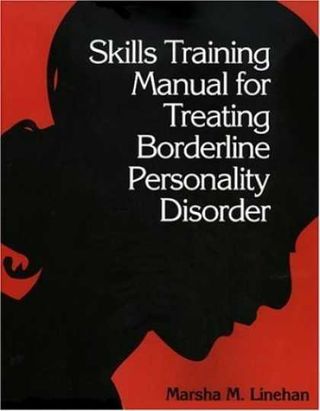
To some extent, it makes me uneasy to highlight Dr.Linehan's own struggles as a reason for her success. Her success is due to her brilliance and her incredible program of research and treatment developed over decades of admirable work and through the training of a new generation of similarly devoted individuals. Had she not sufferred from similar struggles, she may not have been motivated to solve this particular problem, but she would have been no less capable of doing so. So my point here is that we should celebrate her story of success and use it as a lesson for everyone that individuals with mental illnesses can live healthy, amazingly fulfilling lives, but that who they are and what they do are not defined by their illnesses. Their experiences can inform their thoughts and behaviors, but help can be found from a range of individuals, not all of whom have experienced the same thing.
Interested in hearing your thoughts on this.
************
If you would like to learn more about this or other topics discussed on PBB, we recommend consulting our online store for scientifically-based psychological resources.
Mike Anestis is a psychology resident at the University of Mississippi Medical Center (one more week!) and a doctoral candidate in the clinical psychology department at Florida State University.


 Subscribe in a reader